

Improving your home’s livability doesn’t always require large renovations or expensive upgrades. Often, the most meaningful improvements come from small changes that make daily routines easier and more comfortable. Start by focusing on how spaces are used throughout the day. Rearranging furniture to improve traffic flow, increasing natural light by opening window coverings, or adding task lighting in work areas can significantly enhance functionality. Even simple steps—like reducing clutter, organizing storage areas, or creating designated zones for work, relaxation, and hobbies—can make a home feel more comfortable and efficient.
“Livable homes are built not just with walls and and a roof, but with thoughtful choices that make everyday life easier, calmer, and quietly more joyful.”
Comfort is another major component of a livable home. Pay attention to temperature control, air quality, and noise levels. Properly maintaining heating and cooling systems helps keep indoor temperatures consistent while improving energy efficiency. Sealing air leaks around windows and doors can reduce drafts and make rooms feel more stable year-round. Indoor plants can also improve the atmosphere by adding visual warmth and helping maintain indoor humidity levels. Soft materials such as rugs, curtains, and upholstered furniture can further enhance comfort by reducing noise and making spaces feel more inviting.
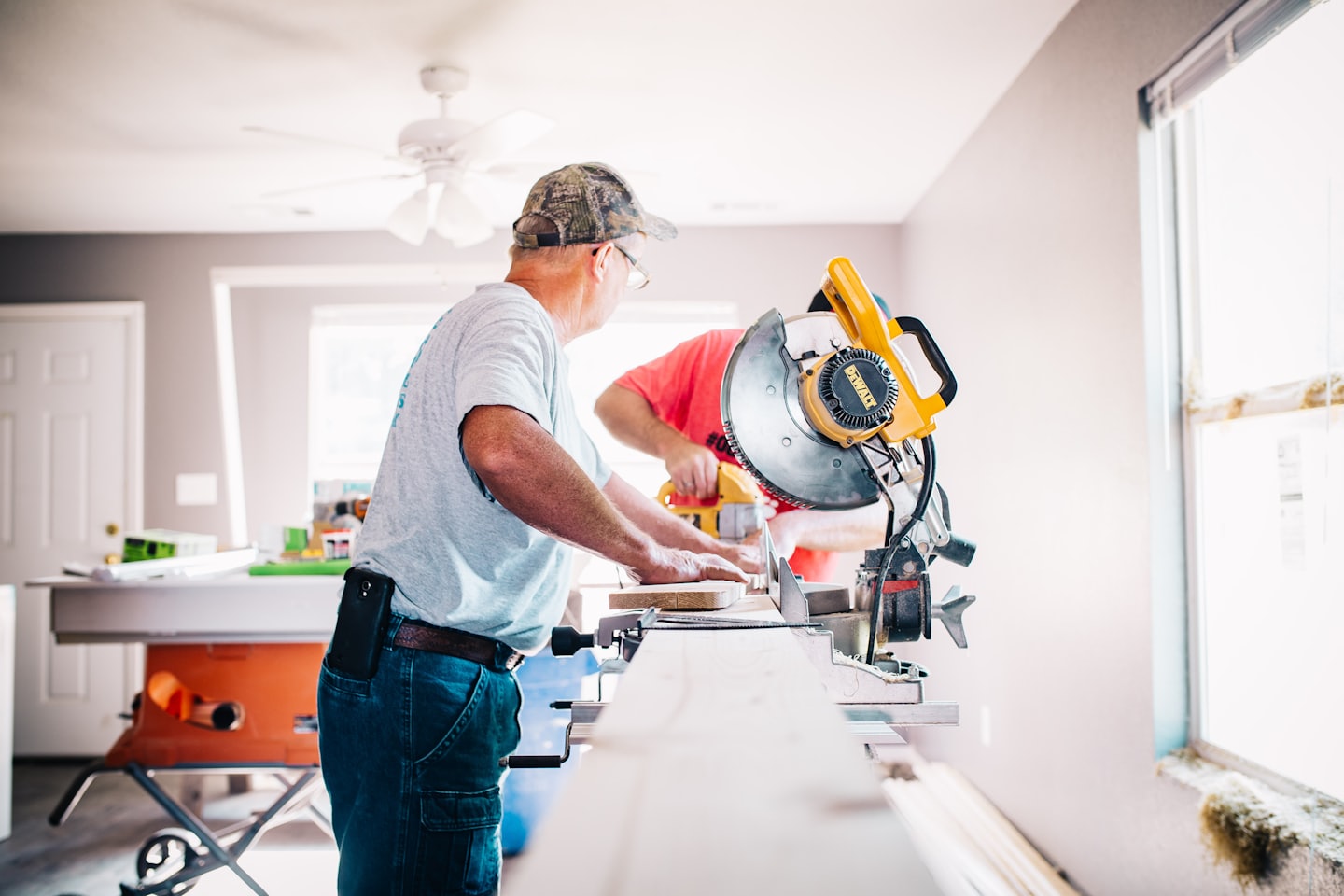
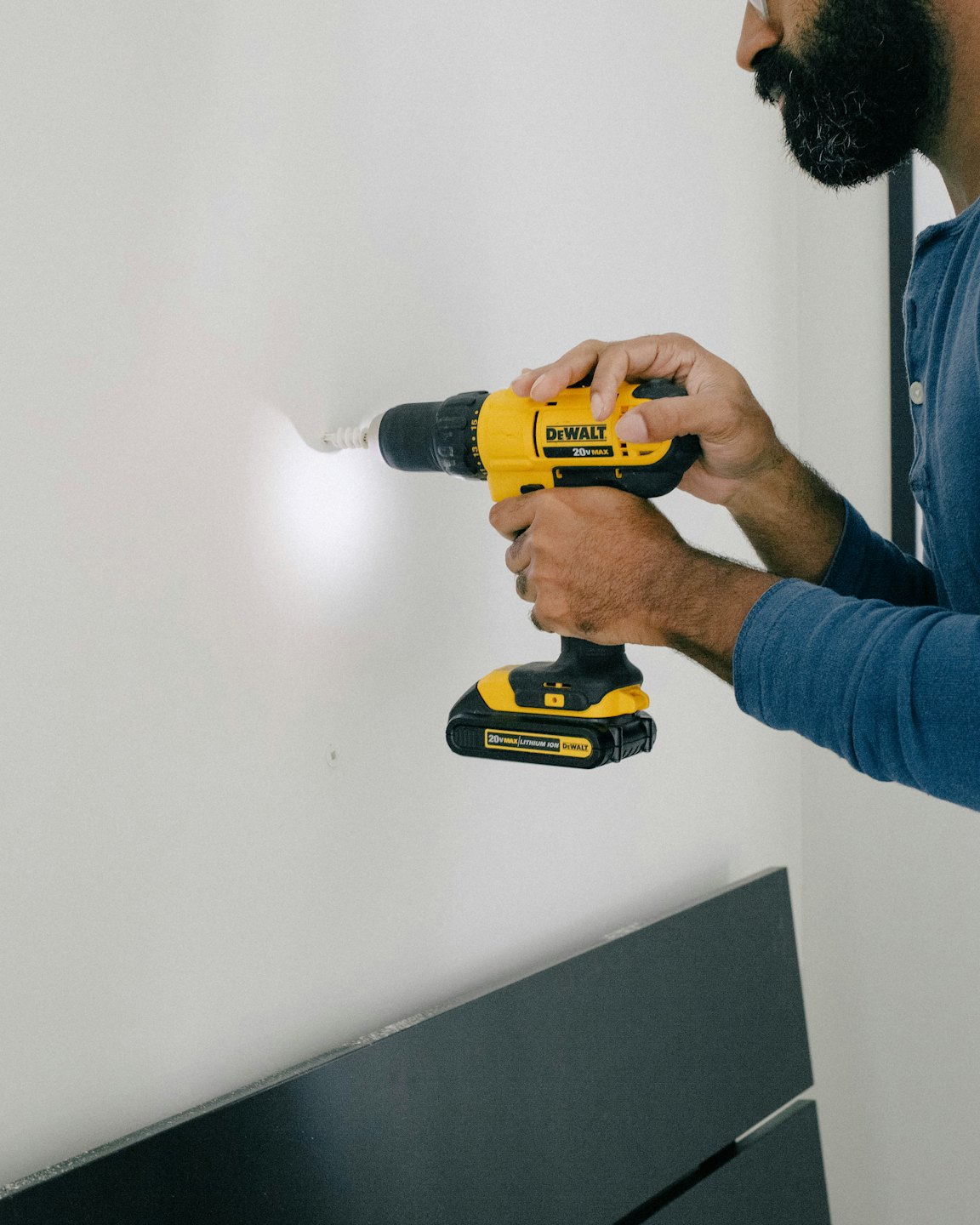
Livability also improves when a home supports daily habits and routines. Small functional upgrades—like installing better kitchen lighting, adding charging stations where devices are commonly used, or improving entryway storage for shoes and bags—can remove daily friction. Outdoor areas can also contribute to livability. Even a small patio, balcony, or garden space can provide a place to relax and recharge. By thinking about how each area of the home supports everyday activities, homeowners can gradually shape spaces that work better for the way they actually live.
Wrapping Up with Key Insights
Enhancing your home’s livability is less about major construction projects and more about thoughtful improvements that support comfort, functionality, and daily routines. Simple changes—improving lighting, maintaining HVAC systems, organizing spaces, and creating comfortable environments—can significantly increase how enjoyable and practical a home feels. When homeowners focus on how spaces are used and make incremental improvements over time, they can create a home that better supports both everyday life and long-term well-being.
Leave a Reply