

Transforming your living space doesn’t require major renovations or a large budget. Often, the most noticeable improvements come from small, thoughtful changes that make your home feel more comfortable and functional. Start by focusing on layout and organization. Rearranging furniture to improve flow, clearing unnecessary clutter, and creating defined zones for different activities—such as relaxing, working, or dining—can make a room feel larger and more purposeful. Even small adjustments, like repositioning lighting or adding a mirror to reflect natural light, can dramatically change how a space feels.
“Small changes, made with intention, can quietly transform a home—turning ordinary spaces into places that support comfort, clarity, and the simple rhythms of everyday life.”
Another effective way to refresh your living space is by improving lighting and color balance. Natural light has a powerful impact on how open and inviting a home feels, so maximizing it should be a priority. Light-colored walls, strategic use of lamps, and layered lighting—such as combining overhead lights with task and accent lighting—can add warmth and depth to a room. Small design elements like updated throw pillows, rugs, plants, or artwork can introduce personality without requiring a full redesign.

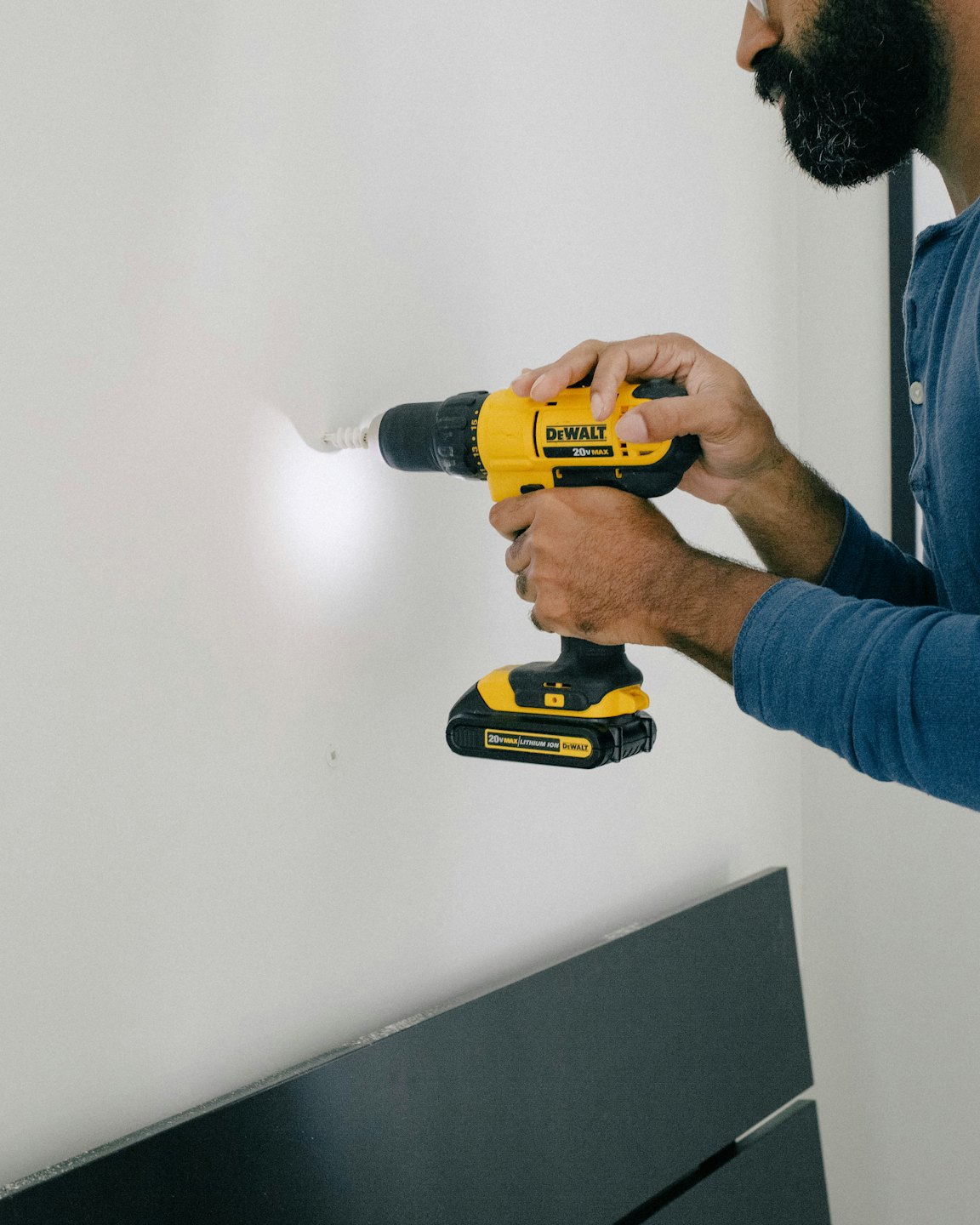
Finally, consider how your living space supports your daily habits and routines. Practical improvements—such as better storage solutions, charging stations for electronics, or entryway organizers—can remove everyday friction and make a home function more smoothly. Outdoor spaces can also play a role; a small patio setup, balcony seating area, or simple garden can expand your usable living space. By focusing on simple, practical solutions, homeowners can gradually create a living environment that feels refreshed, comfortable, and better aligned with the way they live each day.
Wrapping Up with Key Insights
Transforming a living space is less about large-scale renovations and more about thoughtful improvements that enhance comfort, light, organization, and functionality. Small changes—like optimizing layout, improving lighting, and adding practical storage—can significantly improve how a home looks and feels. By focusing on simple, intentional adjustments, homeowners can create spaces that are more enjoyable, efficient, and supportive of everyday living.
Leave a Reply